
Universal Design in Architecture: Access Questions for Kenyan Projects
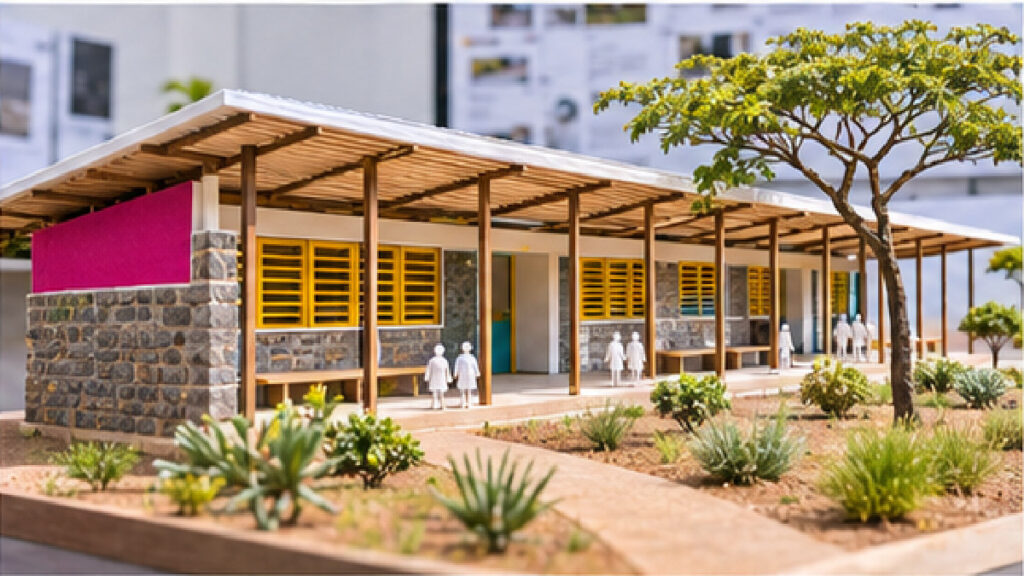
Universal design asks you to consider who can enter, move through, understand and use a place from the first sketch onward. For a Kenyan student project, it is a way to make the brief more complete: describe the people who will use the building, trace their routes and test where the design may create barriers.
Map the whole journey
Start outside the building. Draw how a visitor arrives from a street, footpath, drop-off point or parking area, then follow the route through the entrance to the rooms they need. Mark level changes, narrow passages, heavy doors, confusing junctions and places where someone may need to rest. A route that works only from the front door has not answered the whole access question.
Think about different ways to use a space
People move, see, hear, read and communicate in different ways. In your proposal, consider step-free routes, alternative ways to reach upper floors, clear signs, useful contrast, calm waiting areas and more than one kind of seating. These are design questions to resolve with current standards and qualified advice; a student sketch is not proof of regulatory compliance.
Include access in your design brief
Write a short user profile and connect it to a plan, section and circulation diagram. Show where a person might pause, turn, ask for help or choose another route. Ask a tutor or a person familiar with accessibility to review the proposal. Record the feedback and show what changed in your next drawing.
A simple studio exercise
- Choose one building entrance and trace the journey to three important spaces.
- Mark each decision point, obstacle and resting place on a plan.
- Sketch two ways to improve the route, then compare their trade-offs.
Also review the arrival sequence, signs, lighting and acoustics. A visitor who cannot identify the entrance or understand where to go can face a barrier even when the corridor itself is clear. When you test a proposal with others, ask what felt confusing or tiring and allow them to describe the problem in their own words. Update your drawings instead of treating feedback as a box to tick.
Frequently asked questions
Is universal design only about ramps?
No. It also involves navigation, communication, seating, sensory conditions and how people use a building over time.
Can a student project claim to be fully accessible?
It should explain its design intentions and the standards or expert review still needed. Confirm current requirements before making a compliance claim.
Useful next step
Architecture students practise turning user needs into plans and sections. See the KENCID Architecture programme and contact Admissions for current course guidance.